
 Contribute to YELL
06 May 2025
YELL Seed Grantee Workshop
On 6 & 7 May 2025, we organised a Seed Grantee Workshop for 14 active projects that YELL is funding to provide grantees with an opportunity for mentorship, physical networking and peer-to-peer learning.
To learn more:
- Inisiatif Rizab Benih Komuniti - IRBK
- Diribumi Ecological Services
- Petition to Stop Malaysia's Entry into UPOV
- Izzeady Amir
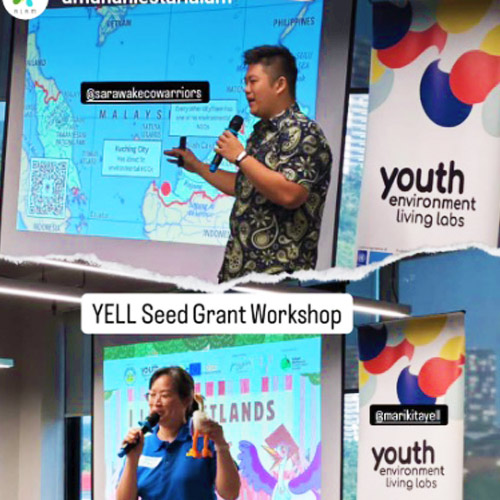
On 6 & 7 May 2025, we organised a Seed Grantee Workshop for 14 active projects that YELL is funding to provide grantees with an opportunity for mentorship, physical networking and peer-to-peer learning.
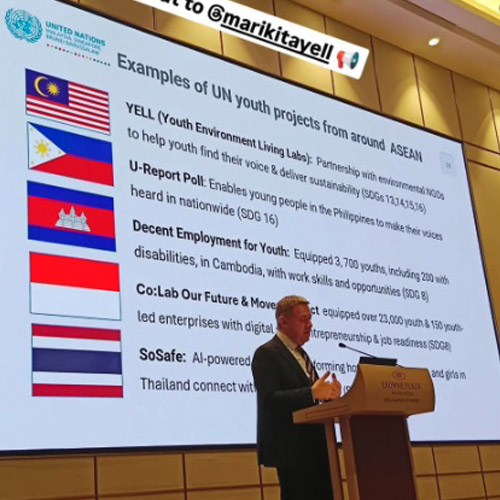
In conjunction with the ASEAN Youth Dialogue hosted by the Ministry of Youth and Sports, YELL in partnership with UNDP’s Business & Human Rights Project was invited to organise a session on ‘Mobilising ASEAN Youth Action on the Right to a Clean, Healthy and Sustainable Environment (R2HE)’.
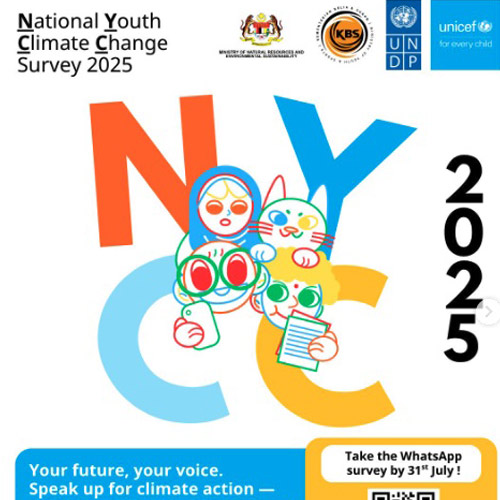
Young people are among the most affected by the climate crisis, yet they are also crucial contributors to addressing it and driving sustainable change. The NYCC Survey 2025 provides a valuable opportunity to engage directly with Malaysian youth, capturing their stories, concerns, and innovative ideas on climate change.
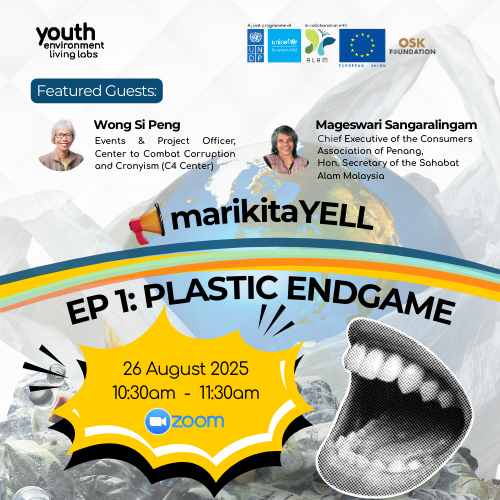
The global plastics treaty is a proposed legally binding international agreement being negotiated by the UN to address the entire lifecycle of plastic pollution. Between 5-15 August 2025, the final round of negotiations (INC-5.2) in Geneva concluded without reaching consensus on a final text.